Alright, let's talk about asphalt milling. You might have heard the term, maybe seen those big machines chewing up pavement on a city street, and wondered if it’s something you should consider for your own driveway or private road. It's a smart question, especially with our crazy Denver weather cycles that can really do a number on asphalt.
So, what exactly is asphalt milling? Simply put, it's the process of removing the top layer of an existing asphalt surface without tearing out the entire thing. Think of it like planing wood, but for your driveway. A specialized machine grinds off a few inches of the old, worn-out asphalt, leaving a fresh, textured surface behind. This can then be repaved, or sometimes, believe it or not, used as a temporary surface itself.
When Does Milling Make Sense for You?
You've got cracks, potholes, or maybe your driveway just looks tired. When do you mill instead of just patching or completely replacing? Here's what I've seen:
- Surface Deterioration: If your asphalt has widespread cracking, rutting, or unraveling, but the base underneath is still solid, milling is often your best bet. You're getting rid of the bad stuff without disturbing a good foundation.
- Drainage Issues: Sometimes, driveways settle unevenly over time, creating puddles. Milling allows us to re-establish proper slopes for drainage before laying down new asphalt. This is super important here in Denver, especially with our heavy spring snowmelt and summer thunderstorms. You don't want water sitting on your pavement.
- Cost-Effectiveness: It's usually less expensive than a full tear-out and replacement. You save on disposal costs and often on the amount of new material needed.
- Height Restrictions: If adding another layer of asphalt would make your driveway too high, maybe blocking a garage door or creating a lip at the street, milling brings the surface down to a manageable level.
Now, if your driveway is completely shot – I mean, the base is failing, it's sinking in places, or you've got massive, deep potholes everywhere – milling might not be enough. You'd be better off with a full excavation and rebuild. But for most surface issues, milling is a fantastic solution.
Before the Project: What You Can Do
Before any heavy machinery shows up, there are a few things you, the homeowner, can do to prepare and make things go smoothly:
- Clear the Area: Move cars, boats, trailers, basketball hoops, anything that's on or near the driveway. This gives the crew room to work safely and efficiently.
- Mark Sprinkler Heads & Utilities: This is crucial. If you have any irrigation lines, buried dog fences, or shallow utility lines running under or along the edge of your driveway, mark them clearly with flags or spray paint. We're careful, but those milling machines are powerful, and we don't want to hit anything unexpected.
- Talk to Your Neighbors: If the project is going to be noisy or temporarily block access, a heads-up to your neighbors goes a long way.
- Understand the Schedule: Make sure you know the planned start and end dates.
Can you do the milling yourself? Absolutely not. This isn't a DIY job. The equipment is specialized, expensive, and dangerous if you don't know what you're doing. This is 100% a job for a professional asphalt contractor like Advanced Asphalt Co.
During the Project: What to Expect
When the crew is on site, it's going to be busy. You'll see large milling machines, dump trucks, and probably a few bobcats or loaders. There will be noise, dust, and vibrations. It's just part of the process.
- Noise and Dust: The milling machine grinds asphalt, so expect some noise and dust. We'll do our best to manage it, but it's unavoidable.
- Access: Your driveway will be inaccessible during the milling process and likely for a period after if new asphalt is being laid. Plan accordingly for parking and getting in and out of your home.
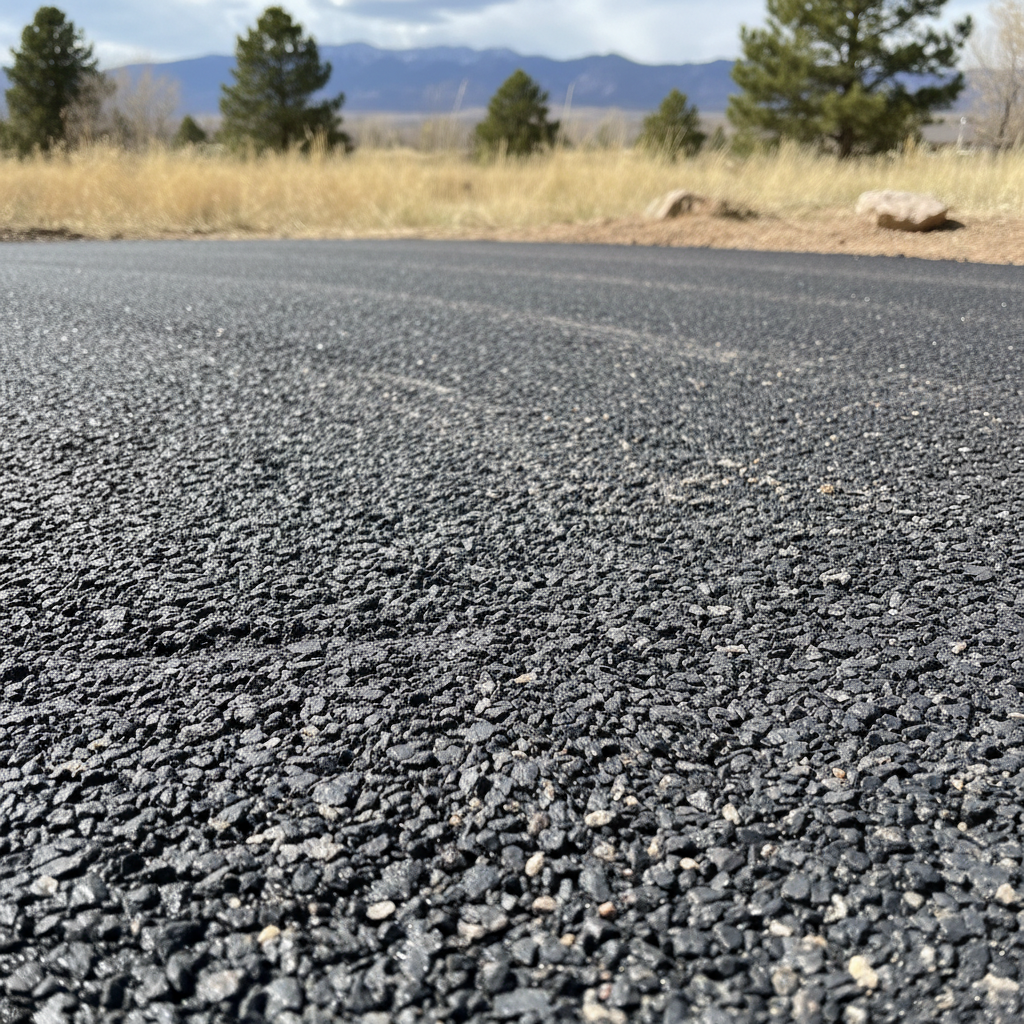
- The Milled Surface: Once milled, the surface will look rough and textured. It's not smooth like new asphalt. It's designed to provide a good bonding surface for the new layer. Sometimes, if it's a very low-traffic area, people will leave it as a temporary gravel-like surface, but that's not usually the goal for a residential driveway.
After the Project: The Next Steps
Once the milling is done, the crew will clean up the loose material. This milled asphalt, often called 'millings' or 'RAP' (reclaimed asphalt pavement), can actually be recycled. We often haul it away for reuse in other projects, which is good for the environment and helps keep costs down.
What happens next depends on your plan. If you're getting a new layer of asphalt, that usually happens pretty quickly after milling. If you're just using the milled surface temporarily, you might want to compact it yourself with a plate compactor (you can rent these) to make it a bit firmer, though it won't ever be as smooth or durable as new asphalt.
For most homeowners, the goal after milling is a fresh layer of hot asphalt. You'll want to stay off it for at least 24-48 hours, sometimes longer depending on the weather and the mix. We'll give you specific instructions on curing times and how to care for your new driveway.
Ultimately, milling is a smart, cost-effective way to revitalize your asphalt driveway without the massive disruption and expense of a full replacement. If you're noticing those tell-tale signs of wear and tear, especially after a tough winter in areas like Stapleton or Highlands Ranch where freeze-thaw cycles are relentless, give us a call. We can take a look and tell you if milling is the right move for your property.