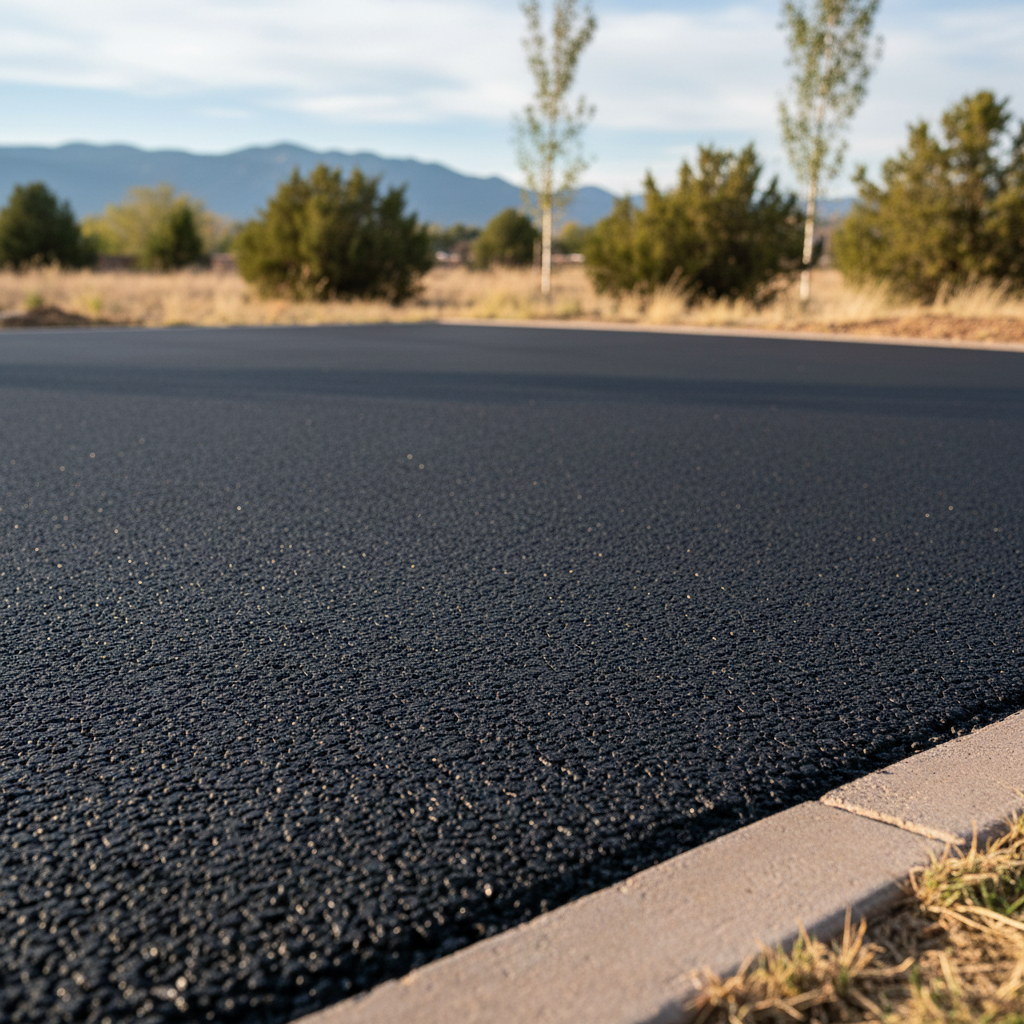
You're probably thinking, "Commercial asphalt for my home? What's he talking about?" Well, I'm talking about those bigger jobs, the ones that go beyond your standard residential driveway. Maybe you've got a long private road leading up to your property, a shared access lane, or even a large parking area for an in-home business. In these cases, you're often looking at the kind of heavy-duty pavement that usually gets laid down for businesses.
It's not just about size, though. Commercial asphalt is built to handle more traffic, heavier loads, and generally take a bigger beating than typical residential applications. If you're considering this for your Denver home, you need to understand what you're getting into. It's a different animal, and while you can do some things yourself, a lot of it really needs a pro.
Before the Shovels Hit the Ground
First off, let's talk about planning. This isn't a weekend DIY project. You're dealing with significant material, equipment, and often, drainage considerations. The biggest thing you can do yourself before calling anyone is to assess your needs. How big is the area? What kind of vehicles will be using it? Is it just cars, or will you have delivery trucks, RVs, or even heavy equipment? This impacts the asphalt's thickness and base material.
Drainage is huge, especially here in Denver. We get those intense summer thunderstorms, and if your pavement isn't sloped correctly, you'll have standing water, which is a killer for asphalt. Over time, that water seeps into cracks, freezes in the winter, and expands, tearing your pavement apart. You can walk the area and look for existing low spots where water collects. Think about where the water goes now, and where you want it to go after the new pavement is in. You might need to consider French drains or catch basins, and that's definitely not a DIY job.
Another thing you can do is check for any local permits. Depending on the size and location of your project, especially if it's a shared access road or impacts public right-of-way, you might need permits from the city or county. Don't skip this step; fines are no fun.
During the Project: What to Watch For
Once you've decided to go with commercial-grade asphalt, you're almost certainly going to hire a contractor like Advanced Asphalt Co. There's just too much specialized equipment and expertise involved for a homeowner to tackle this safely and effectively. But even with a pro, you should know what's happening.
The foundation is everything. A good contractor will spend a lot of time on the sub-base and base layers. This means proper excavation, grading, and compaction of the soil beneath. If the ground isn't stable, your asphalt won't last. You should see heavy rollers compacting the base material multiple times. This isn't just a quick pass; it's a thorough process.
Then comes the asphalt itself. For commercial applications, you're usually looking at thicker layers than a standard residential driveway. We're talking 3-4 inches or more of compacted asphalt, often laid in multiple lifts. You'll see large paving machines and more rollers. The asphalt needs to be laid at the right temperature and compacted quickly before it cools too much. This creates a dense, durable surface. If you see them rushing or not compacting thoroughly, that's a red flag.
Also, pay attention to the edges. They should be clean, well-defined, and properly compacted. Sloppy edges are a sign of rushed work and will be the first place to break down.
After the Asphalt is Down: Your Role in Maintenance
Okay, the project's done, and you've got a beautiful, durable asphalt surface. Now what? This is where you, the homeowner, can really make a difference in its lifespan.
- Keep it Clean: Sweep off dirt, leaves, and debris regularly. Organic matter can hold moisture and break down the asphalt over time.
- Watch for Cracks: Even the best asphalt will eventually develop cracks. Small cracks are easy to fix. You can buy asphalt crack filler at most hardware stores and apply it yourself. Don't let them get big; that's when water gets in and causes real damage.
- Sealcoating: This is a big one. For commercial-grade asphalt, sealcoating every 2-3 years is a smart move. It protects the asphalt from UV rays, water, and chemicals. While you *can* buy sealcoat and apply it yourself, for larger areas, it's a labor-intensive job that's often better left to pros with specialized spray equipment. You'll get a more even, durable coat.
- Oil and Gas Spills: Clean these up immediately. Petroleum products dissolve the binders in asphalt, causing it to soften and break apart. A little dish soap and water can help.
- Heavy Loads: While commercial asphalt is tough, avoid parking heavy equipment or trailers in the exact same spot for extended periods, especially in the heat. It can cause depressions.
Taking care of your new asphalt surface isn't rocket science, but it does require some attention. By understanding the process and staying on top of maintenance, you'll ensure that your investment lasts for decades, handling whatever the Denver weather and your property throw at it.