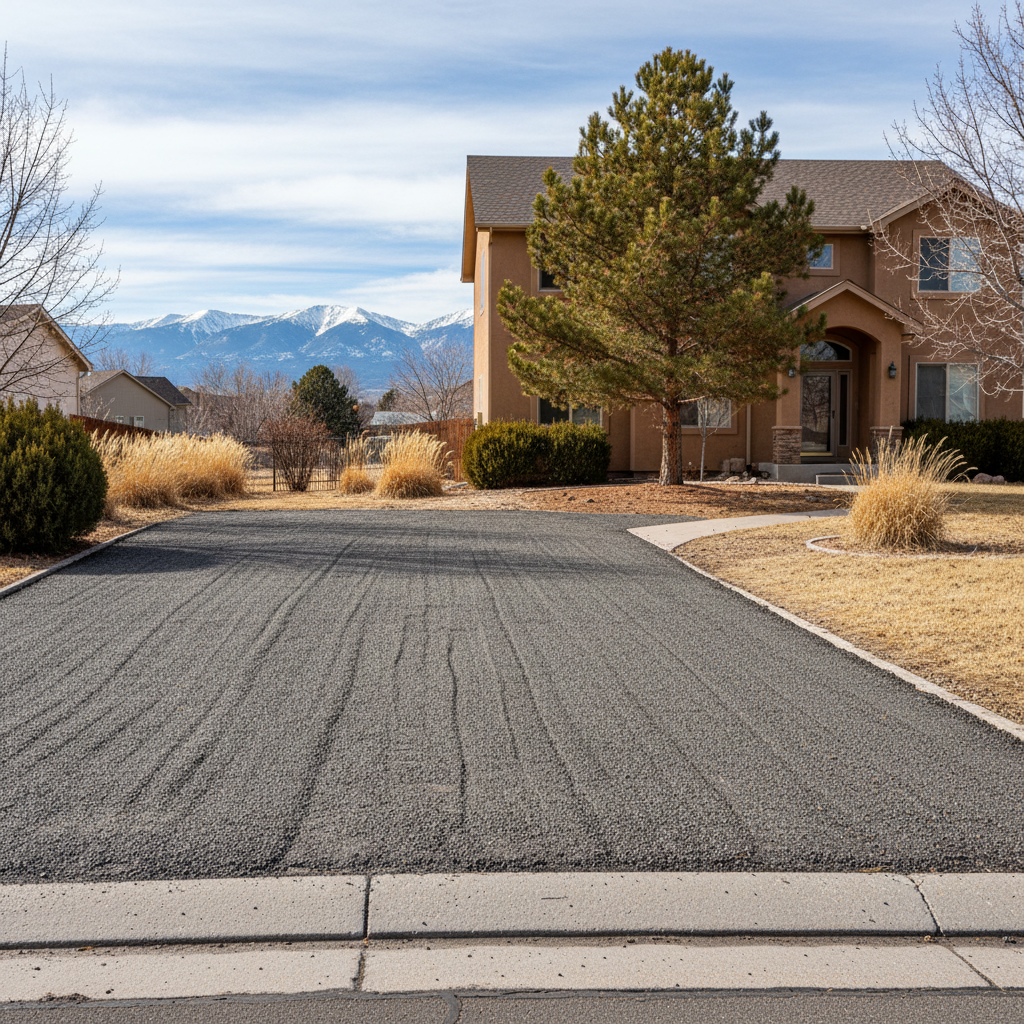
When's the best time to mill your asphalt driveway here in Denver? That's a question I get a lot, and for good reason. Our climate isn't exactly forgiving, and doing this work at the wrong time can cost you down the road. It's not just about getting the job done; it's about getting it done right so it lasts.
Why Timing Matters for Milling in Denver
Milling, for those who aren't familiar, is essentially grinding down the top layer of your existing asphalt. We do this to remove damaged sections, correct drainage issues, or prepare for a new overlay without raising the driveway's overall height. It's a smart way to rejuvenate your pavement, but the weather plays a huge role in how well that milled surface holds up before the new layer goes down.
You see, once we mill, that exposed surface is more vulnerable. It's rougher, and if it sits too long without a fresh layer of asphalt, it can start to degrade faster, especially with what Denver throws at us. Think about those sudden hailstorms in May or the rapid freeze-thaw cycles we get in late fall. Those conditions can really mess with a freshly milled surface.
The Sweet Spot: Spring and Early Fall
From what I've seen over the years, the ideal times to schedule your asphalt milling project in Denver are usually late spring and early to mid-fall. Here's why:
Late Spring (April to June): By this time, the ground has typically thawed out completely, and the risk of deep freezes is much lower. The temperatures are consistently warm enough for the asphalt to cure properly, and we usually have a good stretch of dry weather. This allows us to mill, clean, and then lay down your new asphalt without worrying about sudden temperature drops or heavy moisture getting trapped underneath.
Early to Mid-Fall (September to October): This is another prime window. The scorching summer heat has usually passed, but we're not yet into the deep freezes of winter. The ground is still warm, which helps with the bonding process of new asphalt. You want to make sure your new asphalt has plenty of time to cure before the first hard freeze sets in, which can sometimes happen surprisingly early here, especially in areas like Evergreen or the foothills.
Weather Conditions to Watch Out For
Even within those ideal windows, you've got to keep an eye on the forecast. Here are a few things that can throw a wrench in the works:
Heavy Rain: We absolutely can't mill in heavy rain. It's not just uncomfortable for the crew; it compromises the base. Water can get into the sub-base, and if we pave over that, you're setting yourself up for premature failure, cracks, and potholes. A little drizzle is one thing, but a downpour means we're rescheduling.
Extreme Cold: While milling itself isn't as temperature-sensitive as laying new asphalt, if temperatures are consistently below 45-50 degrees Fahrenheit, it's not ideal. The ground is colder, and if we're planning to pave immediately after milling, the new asphalt won't compact and cure as effectively. You want that new asphalt to stay pliable long enough to get a good, dense compaction.
High Humidity: This isn't as big of a deal as rain or cold, but very high humidity can slow down the curing process of asphalt. It's usually not a showstopper, but it's something we consider.
Protecting Your Investment Year-Round
Once your milling and new overlay are done by a company like Advanced Asphalt Co, you'll want to protect that investment. It's not a set-it-and-forget-it deal, especially in Denver.
First, keep it clean. Sweep off debris, leaves, and dirt regularly. This prevents organic matter from breaking down on the surface and causing issues. Second, address any cracks or small potholes as soon as they appear. Don't let them grow. A small crack can turn into a major headache once water gets in and freezes and thaws.
Finally, consider sealcoating every few years. This protective layer helps prevent oxidation from the sun's UV rays and provides an extra barrier against water penetration. It's like sunscreen for your driveway, and it makes a huge difference in extending its life.
Look, your driveway is a big part of your home's curb appeal and functionality. Getting the timing right for milling means a stronger, longer-lasting surface. Don't rush it, and pay attention to the weather. It'll save you headaches and money in the long run.