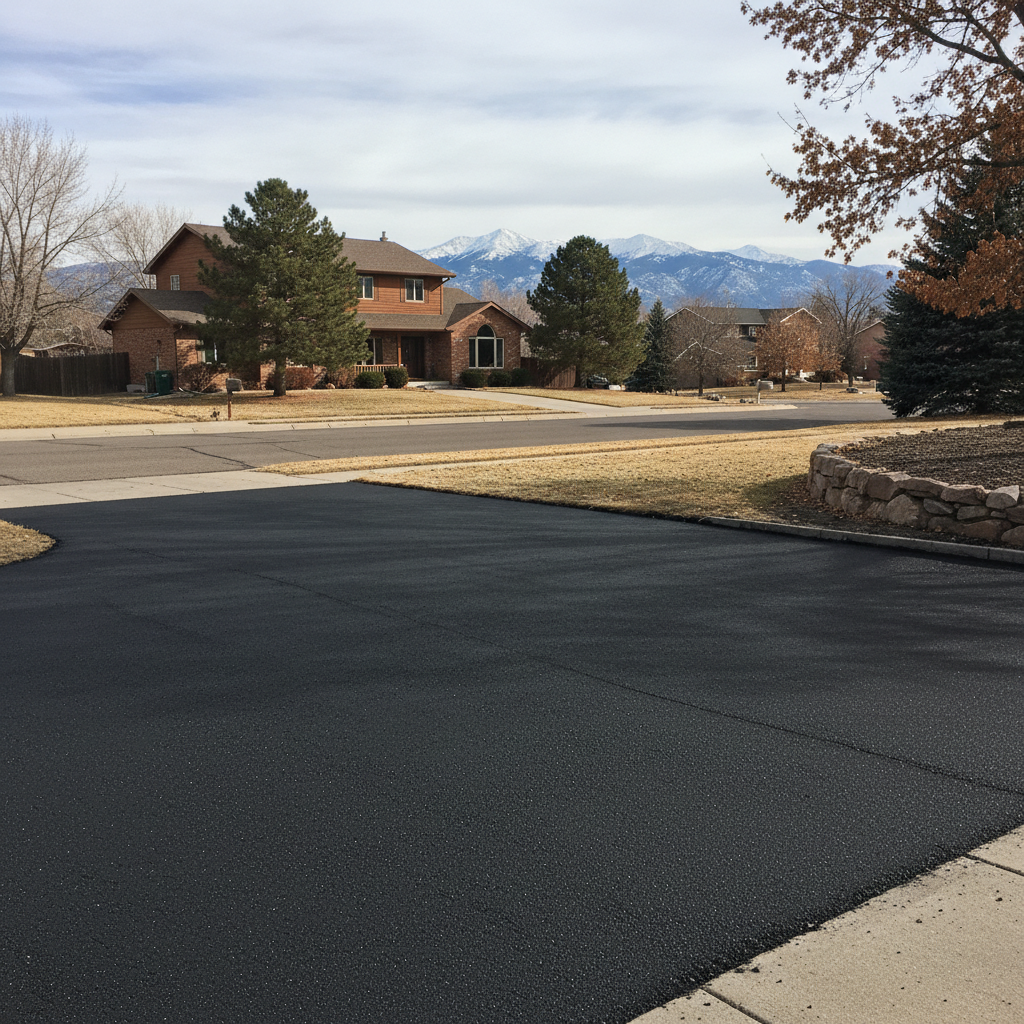
What's the Deal with Asphalt Milling in Denver?
You've probably heard the term 'asphalt milling' or 'cold planing' thrown around, especially if you're dealing with an older driveway or parking lot that's seen better days. Basically, it's the process of removing the top layer of existing asphalt without tearing out the whole thing. We use a specialized machine with a rotating drum and cutting teeth to grind off that worn-out surface. It leaves a rough, textured base that's perfect for a new layer of asphalt overlay.
Why bother with milling instead of just paving over or ripping it all out? Well, for starters, it's often more cost-effective than a full tear-out and replacement. It also helps maintain your existing grade and drainage, which is super important here in Denver. We don't want water pooling up against your foundation or creating ice hazards in the winter, right? Milling allows us to fix surface issues like severe cracking, rutting, or unevenness without completely rebuilding the sub-base.
When's the Best Time to Mill in Denver?
This is where our unique Denver climate really comes into play. You can't just mill whenever you feel like it; the weather dictates a lot. Generally, I tell folks to aim for the warmer months, specifically late spring through early fall. Think May through October. Here's why:
Temperature is Key: For the milling process itself, temperature isn't as critical as it is for the new asphalt overlay. But you don't want to mill and then leave that exposed base for too long in freezing temperatures or heavy snow. It's best to mill when you know you can get the new asphalt down shortly after.
Moisture Matters: We need dry conditions. If the ground is saturated from heavy spring rains, or if we get one of those sudden summer downpours, it can mess with the stability of the base once the top layer is removed. Milling on a dry surface ensures a better, more stable foundation for the new pavement. We've seen some crazy hail and rain storms pop up out of nowhere here in Denver, so keeping an eye on the forecast is crucial.
Avoiding Winter Damage: Milling too late in the fall, say November or December, means you risk leaving that milled surface exposed to freeze-thaw cycles all winter. Water can get into those newly exposed pores and cracks, freeze, expand, and cause even more damage before you can get the new asphalt down. That defeats the whole purpose of milling!
So, scheduling is a dance with Mother Nature. We at Advanced Asphalt Co. always keep a close eye on the long-range forecast when planning these jobs. It's not just about what's happening today, but what's coming next week or even next month.
Weather Conditions That Affect the Work
Beyond just the season, specific weather conditions on the day of the job can make or break it:
Rain: This is the big one. We absolutely cannot mill in heavy rain. It makes the ground muddy, clogs the milling machine, and compromises the integrity of the base. Light drizzle might be manageable for a short period, but generally, we need dry weather.
Extreme Cold: While milling isn't as temperature-sensitive as paving, working in extremely cold conditions (below freezing) can make the asphalt brittle and harder to mill efficiently. It also makes it tough on the crew and equipment.
High Winds: Not usually a deal-breaker for milling, but strong winds can kick up a lot of dust and debris, which isn't ideal for anyone involved. If we're working in a residential area like say, Stapleton, we're extra mindful of dust control for the neighbors.
Protecting Your Investment Year-Round
Once you've had your asphalt milled and a new overlay put down, you've made a significant investment. You want that new surface to last. Here's what I recommend for year-round protection:
Sealcoating: This is your first line of defense. About 6-12 months after your new overlay is installed, you should get it sealcoated. This protects the asphalt from UV rays, water penetration, and chemical spills. It's like sunscreen and a raincoat for your driveway. Here in Denver, with our intense sun and dry climate, sealcoating is even more critical to prevent premature oxidation and cracking.
Regular Cleaning: Keep your asphalt clean. Sweep off dirt, leaves, and debris. Don't let oil or gas spills sit there; clean them up immediately. These substances can break down the asphalt binder.
Crack Filling: As soon as you see any cracks, even small ones, get them filled. Water is asphalt's worst enemy. Once water gets into a crack, especially with our freeze-thaw cycles, it expands when it freezes and turns a small crack into a big pothole in no time. This is probably the single most important thing you can do to extend the life of your pavement.
Proper Drainage: Make sure water is always draining away from your asphalt surface. If you see puddles forming, it might indicate a drainage issue that needs addressing. Good drainage was likely part of why you milled in the first place, so keep an eye on it.
Avoid Heavy Loads: Try to avoid parking heavy vehicles or equipment on your asphalt for extended periods, especially in the same spot. This can cause rutting and depressions over time.
Taking these steps will help ensure that the investment you made in milling and overlaying your asphalt pays off for years to come. It's all about proactive maintenance, especially with our challenging Denver weather. If you've got questions about your specific property, don't hesitate to reach out to Advanced Asphalt Co. We're always happy to talk through options.