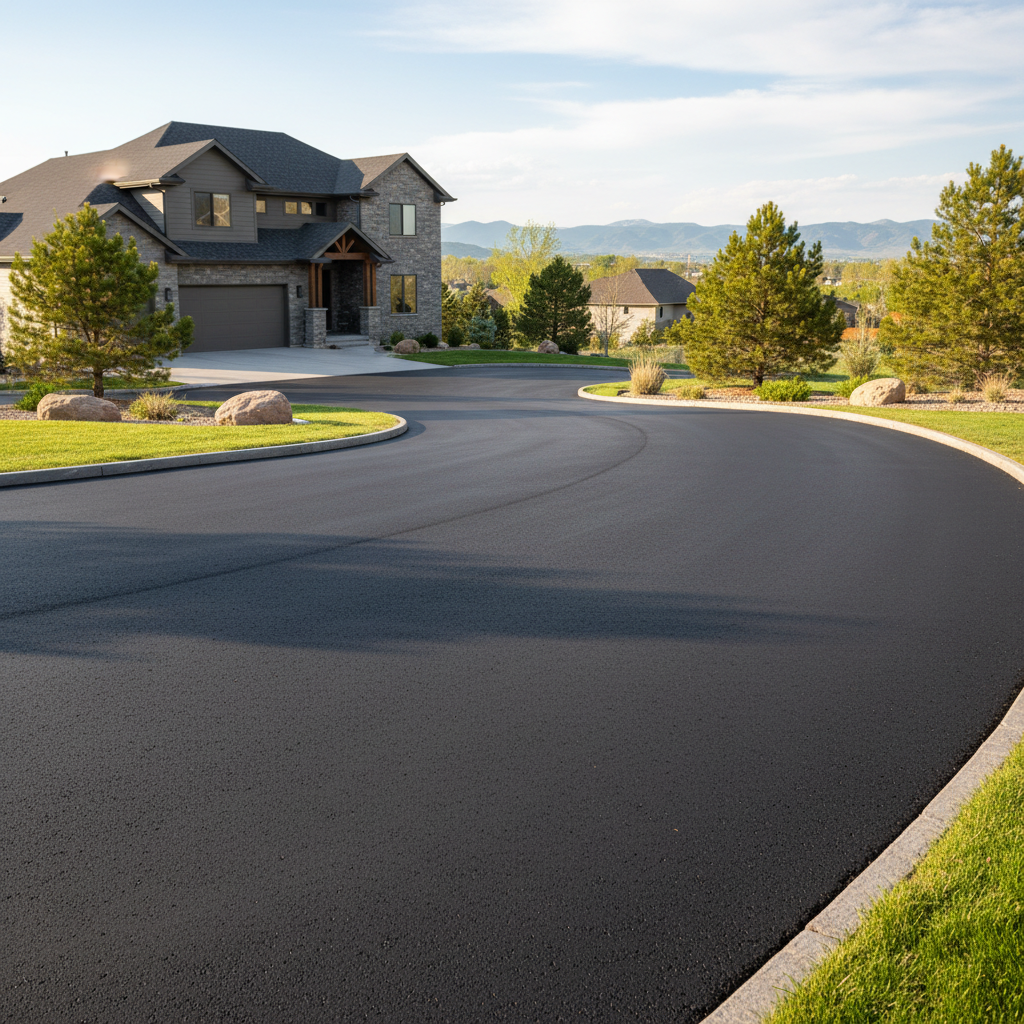
Running a business in Denver means you've got a lot on your plate. The last thing you need is your parking lot or access road falling apart, creating an eyesore and a liability. But here's the deal: your asphalt isn't going to maintain itself. It's an investment, and like any good investment, it needs some attention if you want it to last.
Why Denver's Climate Is Tough on Asphalt
You know how our weather goes, right? We can have a beautiful, sunny 60-degree day, and then BAM, a blizzard rolls in overnight. That constant freeze-thaw cycle is brutal on asphalt. Water seeps into tiny cracks, freezes, expands, and then thaws, leaving bigger cracks and potholes. It’s a relentless process. Add in our intense UV exposure at this altitude, which dries out the asphalt binder, and you've got a recipe for premature deterioration if you're not proactive.
Extending Your Asphalt's Lifespan: It's All About Prevention
Think of it like getting regular oil changes for your car. You wouldn't wait for the engine to seize up, would you? Same goes for your asphalt. The biggest thing you can do to extend its life is to keep water out and protect it from the sun.
- Sealcoating: This is your first line of defense. A good quality sealcoat acts like sunscreen and a waterproof barrier for your pavement. It replenishes the asphalt's binders that get oxidized by the sun and protects against water penetration. We usually recommend sealcoating every 2-3 years for commercial properties, depending on traffic and how much sun it gets.
- Crack Sealing: This is non-negotiable. If you see cracks, get them filled. Don't wait. A small crack is cheap to fix; a pothole caused by an unsealed crack is expensive. Hot pour crack filler is what we use – it's flexible and holds up well to our temperature swings.
- Proper Drainage: If you've got standing water after a rain or snowmelt, that's a huge problem. Water sitting on asphalt will accelerate its breakdown. Make sure your catch basins are clear and your lot is graded correctly to shed water. Sometimes, adding a new drain or re-grading a low spot can save you thousands in future repairs.
What Regular Maintenance Looks Like
Beyond the big stuff, there are daily and weekly things you should be doing:
- Sweeping: Keep your lot clean. Dirt, debris, and gravel can act like sandpaper on your asphalt, especially with vehicle traffic grinding it in. Regular sweeping also helps you spot problems early.
- Oil & Chemical Spill Cleanup: Gas, oil, and other chemicals are solvents that break down asphalt. Clean them up immediately. Use an absorbent material and then wash the area thoroughly.
- Line Striping: This isn't just for aesthetics; clear lines direct traffic, prevent accidents, and make your property safer. Faded lines are a maintenance issue. We often re-stripe after sealcoating, but it's something to keep an eye on annually.
Warning Signs You Can't Ignore
Your asphalt will tell you when it's in trouble, you just have to know what to look for:
- Alligator Cracking: This looks like a series of interconnected cracks, much like an alligator's skin. It means the base layer underneath is failing, usually due to water infiltration or heavy loads. This isn't a simple crack fill anymore; it often requires a patch or even a full depth repair.
- Potholes: Obvious, right? But don't just ignore them. They start small and grow fast, especially after a good snowmelt. They're a trip hazard and can damage vehicles.
- Fading & Discoloration: If your asphalt looks gray instead of black, it's a sign that the binder is oxidizing and losing its flexibility. This makes it more brittle and prone to cracking.
- Raveling: This is when the aggregate (the small stones) starts to come loose from the surface. It indicates the asphalt binder is failing and the surface is deteriorating.
- Standing Water: As I mentioned, if water isn't draining, it's a major red flag.
When to Call a Professional
Look, you don't need to be an asphalt expert. That's my job. You should call a professional like us at Advanced Asphalt Co when you see any of those warning signs. Don't wait until it's a full-blown emergency. The earlier you address an issue, the less it's going to cost you in the long run. If you're seeing alligator cracking, significant potholes, or large areas of raveling, you're past the point of simple crack sealing and sealcoating. You'll likely need patching, an overlay, or even full-depth reconstruction in severe cases.
We can come out, assess your lot, and give you an honest opinion on what needs to be done. We'll help you develop a maintenance plan that fits your budget and keeps your commercial property looking great and functioning safely for years to come.