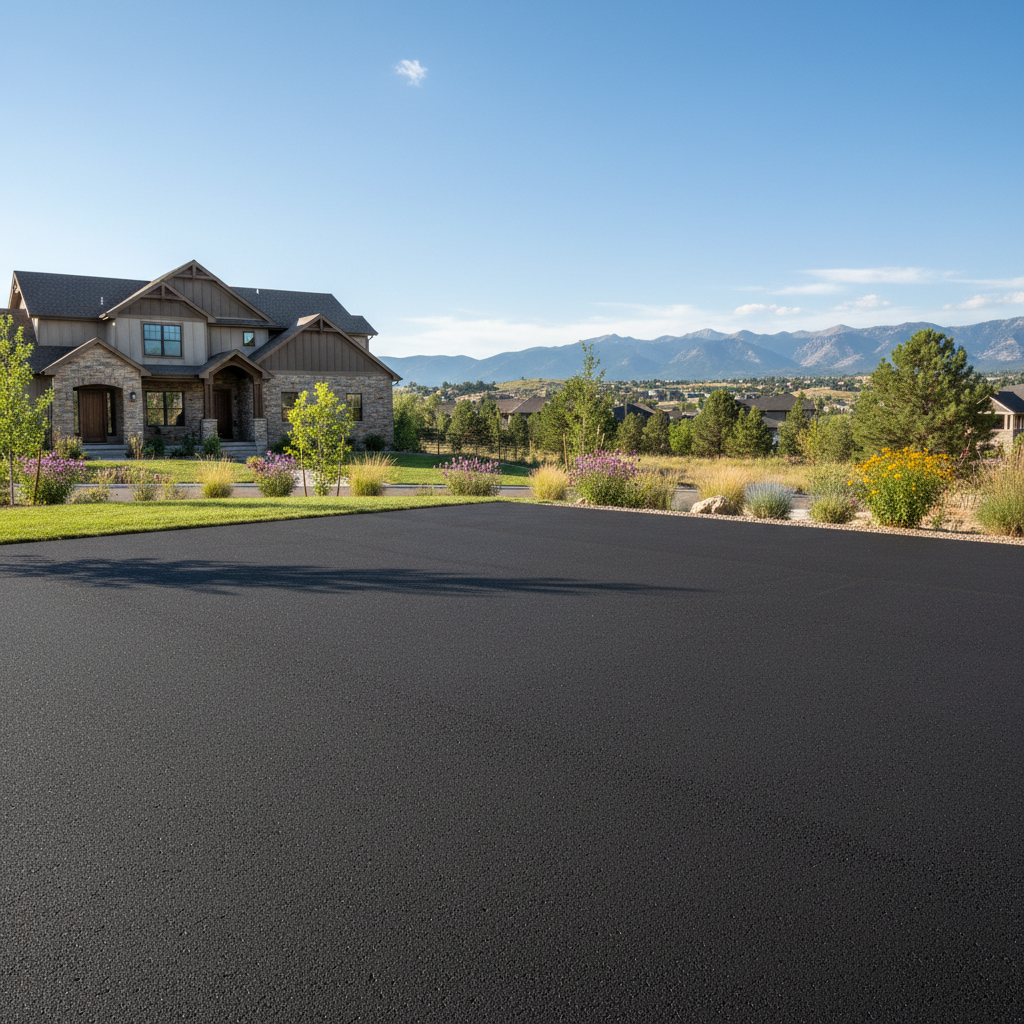
You've invested a lot in your commercial asphalt, whether it's a parking lot, access road, or loading dock. It's not just about curb appeal; it's about safety, functionality, and protecting your business. But that investment can go south fast if you don't take care of it, especially with Denver's crazy weather. I've seen too many businesses let their pavement fall apart, only to face much more expensive repairs down the line. Let's talk about how to prevent that.
Why Denver's Climate Demands Extra Care
Our climate here in Denver is tough on asphalt, plain and simple. We get those intense, sunny summer days that bake the oils right out of the pavement, making it brittle. Then winter hits with its freeze-thaw cycles, snow, ice, and all the chemicals we use to melt it. Water seeps into tiny cracks, freezes, expands, and then thaws, leaving bigger cracks and potholes. It's a relentless assault. This isn't like maintaining asphalt in, say, San Diego. You've got to be proactive.
The Basics: Regular Maintenance You Can Do
Good maintenance isn't rocket science, but it does require consistency. Think of it like changing the oil in your car – you wouldn't skip that, right?
Keep it Clean: Sounds simple, but sweeping away dirt, gravel, and debris is huge. That stuff holds moisture and can contribute to wear. Plus, it just looks better.
Manage Drainage: Water is asphalt's worst enemy. Make sure your catch basins, drains, and gutters are clear and functioning. If water is pooling anywhere on your lot, that's a red flag. It'll soften the sub-base and lead to structural failure.
Address Spills Immediately: Oil, gas, and other chemicals eat away at asphalt. If you have a spill, clean it up as quickly as possible. Don't let it sit and soak in.
Control Vegetation: Weeds and grass growing through cracks aren't just an eyesore; their roots expand and accelerate pavement damage. Pull them or use an herbicide.
Warning Signs: What to Look For
You don't need to be an asphalt expert to spot problems. Just walk your lot regularly, especially after a big storm or a harsh winter. Here's what you should be looking for:
Cracks: These are the most common issue. You'll see different types: hairline cracks, alligator cracking (looks like alligator skin, usually means sub-base failure), and longitudinal or transverse cracks (running with or across the pavement). Even small cracks let water in, and that's where the real damage starts.
Potholes: These are beyond cracks; they're actual holes in the pavement. They're a trip hazard, can damage vehicles, and indicate significant deterioration. They'll only get bigger.
Fading & Discoloration: If your asphalt looks gray instead of black, it means the binder (the asphalt cement that holds it all together) is oxidizing and losing its flexibility. This makes it more prone to cracking.
Pooling Water: As I mentioned, standing water is bad news. It indicates drainage issues or depressions in the pavement where water is collecting.
Raveling: This is when the aggregate (the stones and sand) starts to loosen and separate from the asphalt binder, giving the surface a rough, crumbly texture. It's a sign of advanced wear and oxidation.
Upheaval or Depressions: If parts of your pavement are rising or sinking, that's a serious structural issue, often due to sub-base problems or expansive clay soils, which we have plenty of around Denver, especially in areas like Stapleton or Aurora.
When to Call a Professional (Like Us!)
While you can handle the basic cleaning, some things are best left to the pros. Catching these issues early can save you a ton of money versus waiting until you need a full replacement.
Crack Sealing: As soon as you see cracks wider than a quarter-inch, get them sealed. This is your first line of defense against water infiltration. It's a relatively inexpensive preventative measure that extends pavement life significantly.
Pothole Repair: Don't let potholes fester. We can patch them effectively, preventing further deterioration and improving safety.
Sealcoating: This is like sunscreen for your asphalt. It protects against UV rays, water, and chemicals, and restores that rich black color. For commercial properties, I generally recommend sealcoating every 2-3 years, depending on traffic and condition. It's a critical part of a long-term maintenance plan.
Asphalt Overlays or Resurfacing: If you have widespread cracking or raveling but your sub-base is still good, an overlay can give your pavement a new lease on life without the cost of a full tear-out.
Drainage Correction: If you've got persistent pooling, you might need professional help to re-grade sections or install new drainage solutions.
Look, your commercial asphalt is an asset. Treat it that way. A well-maintained parking lot tells your customers you care about your business and their experience. Neglect it, and you're inviting more expensive problems, safety hazards, and a poor first impression. At Advanced Asphalt Co, we've been helping Denver businesses keep their pavement in top shape for years. If you're seeing any of those warning signs, or just want to set up a solid maintenance plan, give us a call. It's always cheaper to maintain than to replace.