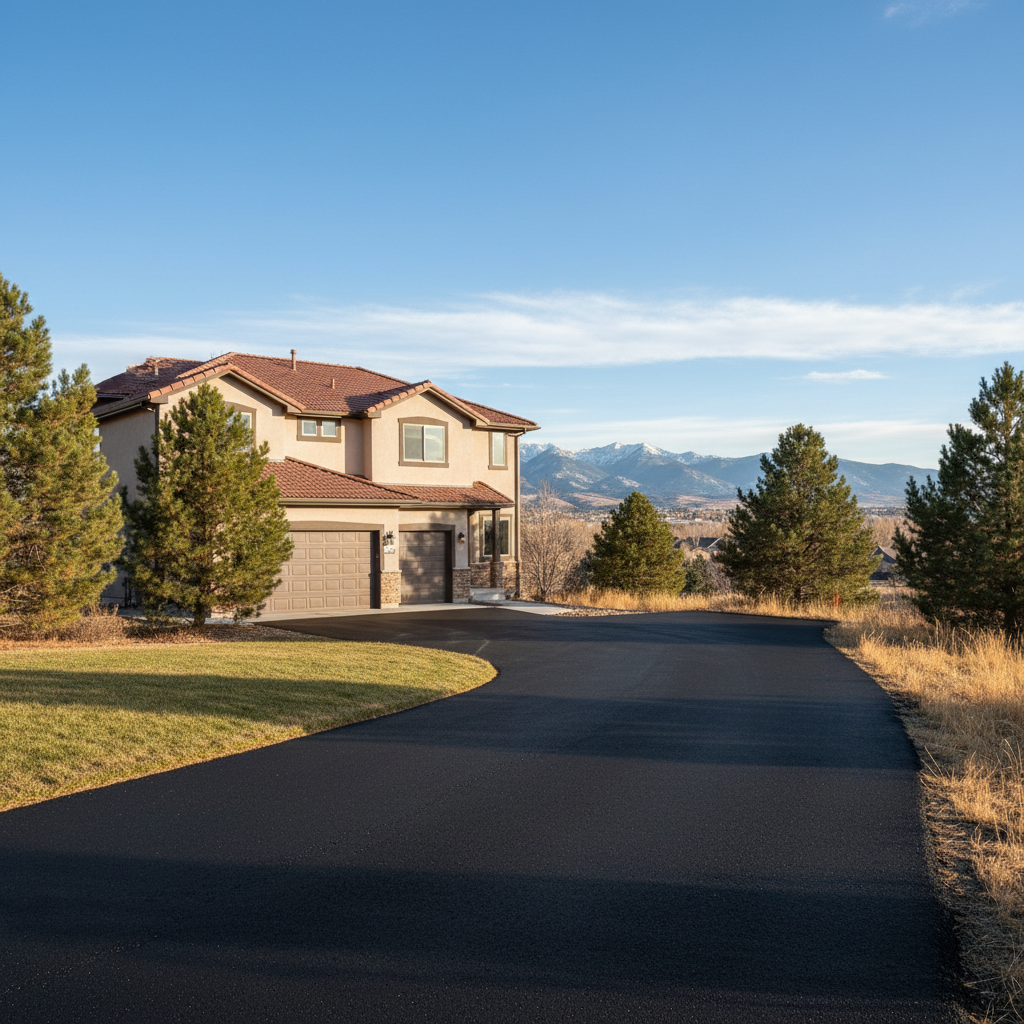
So, you're looking at getting your driveway or private road slurry coated. Good call. It's a smart way to protect your asphalt, extend its life, and make it look sharp again without the full tear-out and replace cost. But like any good home improvement project, a little planning goes a long way. Let's talk about what you need to know.
Setting Your Slurry Seal Timeline
When's the best time for a slurry seal? Here in Denver, we're really looking at a pretty specific window. You need consistent warm temperatures for the material to cure right. That usually means late spring, summer, and early fall. Think May through September, maybe early October if we get a nice, long autumn. You definitely don't want to be doing this when nighttime temps are dipping below 45-50 degrees consistently, or when there's a chance of frost. The material just won't bond and cure properly, and you'll be wasting your money.
Because that window is tight, good contractors book up fast. If you're thinking about getting it done this year, you should be reaching out for bids in late winter or early spring. Don't wait until August to start calling around; you might find yourself waiting until next year. A good contractor will also be monitoring the forecast closely. We've seen those sudden spring snows even in April or May, and a reputable company like Advanced Asphalt Co won't apply slurry if there's any doubt about the weather holding.
What to Expect During the Process
Alright, you've picked a date. What happens on game day? First, don't expect it to be a one-day affair. There's prep work, and then there's the actual application.
- Cleaning and Prep: We'll start by thoroughly cleaning the surface. That means sweeping, blowing, and often power washing to get rid of all the dirt, debris, and loose aggregate. Any oil spots or stains will need to be treated. Cracks? Those need to be filled and allowed to cure before the slurry goes down. This prep work is crucial; if it's not done right, the slurry won't adhere, and you'll have issues.
- Application: The slurry material itself is a mix of asphalt emulsion, aggregate (fine sand), water, and some additives. It's applied in a thin, even coat over the existing asphalt. It looks pretty rough and dark when it first goes down, but as it cures, it'll smooth out and get that deep black color you're looking for. Depending on the size of your area, it might be applied by hand or with specialized equipment.
- Curing Time: This is where your patience comes in. You absolutely cannot drive or walk on it too soon. Typically, you're looking at 24-48 hours, sometimes longer if it's cooler or humid. We'll give you a precise timeframe, but rushing it will ruin the finish and compromise the integrity of the seal. It's a real pain to have to park down the street for a couple of days, but it's worth it for a lasting job.
How to Get Your Property Ready
Before the crew shows up, there are a few things you need to do to make sure everything goes smoothly:
- Clear the Area: Move all vehicles off the driveway or private road. This includes trailers, RVs, basketball hoops, trash cans, and anything else that might be on the surface.
- Trim Vegetation: If you have bushes, trees, or grass overhanging the edges, trim them back. We need clear access right up to the edge.
- Water Control: Turn off any automatic sprinklers that might hit the asphalt. You don't want water spraying onto a freshly applied slurry.
- Pets & Kids: Keep pets and kids away from the work area. The material can be messy, and you don't want anyone tracking it into the house or getting hurt.
- Communication: If you have any specific concerns or tricky spots, point them out to the crew foreman before they start.
Questions to Ask Before You Sign That Contract
Don't just go with the cheapest bid. You're investing in your property, so ask smart questions:
- What's included in the prep work? Make sure crack filling, cleaning, and oil spot treatment are explicitly mentioned.
- What kind of material are you using? There are different grades and types of slurry. A good contractor will be happy to tell you what they use and why.
- What's your warranty? A reputable company should stand behind their work. Ask about the duration and what it covers.
- Can you provide references? Ask for a few recent customers you can call, or even better, addresses of jobs they've done nearby so you can drive by and see their work.
- Are you licensed and insured? This is non-negotiable. You want to make sure they're properly covered in case of an accident. Ask for proof of insurance and their license number.
- What's the curing time I should expect? Get a clear answer on when you can safely use the surface again.
- How do you handle unforeseen issues? Sometimes, once you start prep, you uncover something unexpected. How will they communicate that and what's the process for additional costs?
Doing your homework upfront will save you headaches and ensure you get a quality job that lasts. A well-done slurry seal isn't just about curb appeal; it's about protecting your investment, especially with our crazy Denver weather and the freeze-thaw cycles that can wreak havoc on pavement.