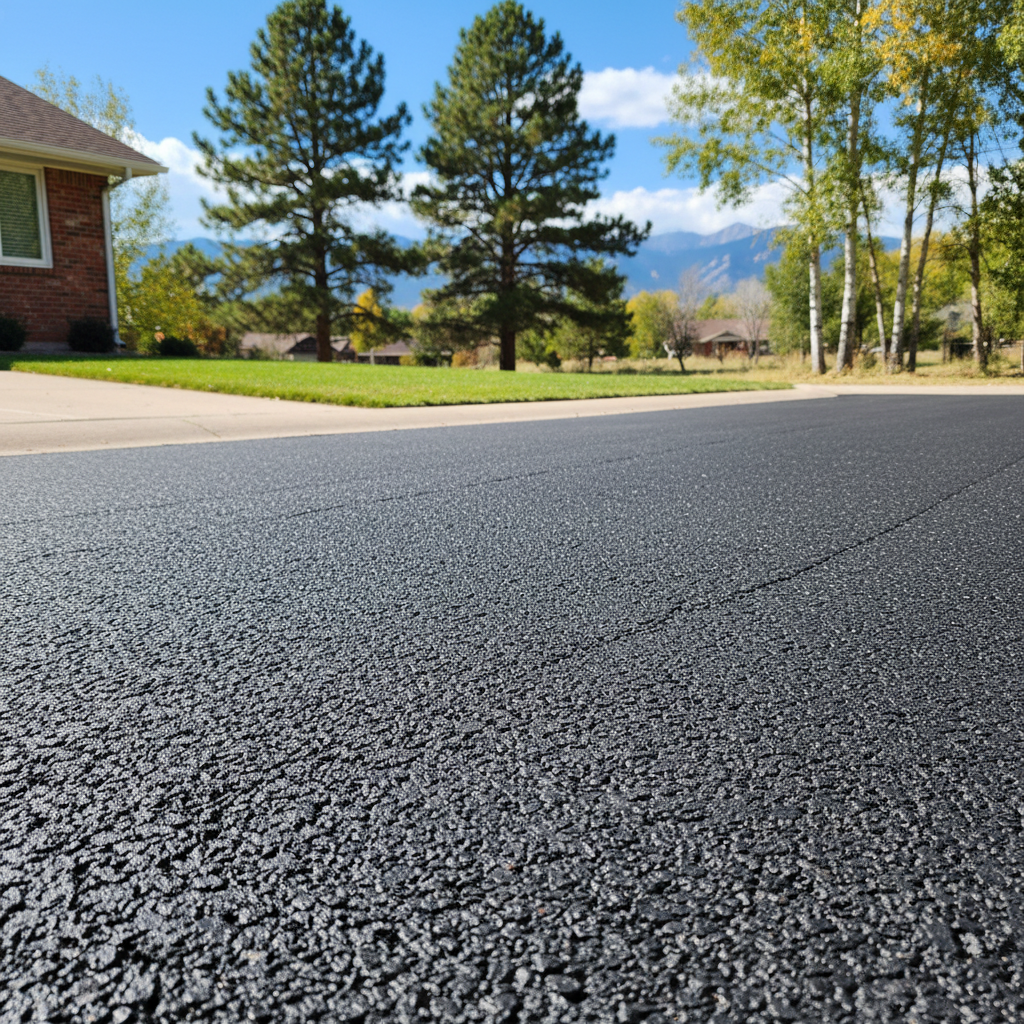
So, you're looking at your driveway, maybe it's got some cracks, or you're planning a new one for that garage addition. You might be wondering, "Can I just do this myself?" It's a fair question, and honestly, there's a lot you can do to prepare for or maintain an asphalt surface. But there's also a clear line where you absolutely need to call in the experts. Let's break down what you need to know before, during, and after an asphalt project.
Before the Shovel Hits the Dirt: Planning & Prep
Before any asphalt even gets laid down, there's a good chunk of work that needs to happen. This is where homeowners can really shine and save some money, or at least make the contractor's job a lot smoother. First off, think about drainage. This is huge in Denver, especially with our sudden summer downpours. You don't want water pooling on your new driveway, freezing in winter, and then expanding to create cracks. Walk around your property, see where water naturally flows. If your yard slopes towards where the driveway will be, you might need to think about French drains or proper grading away from the house.
For a new driveway, site preparation is critical. You'll need to clear the area of any vegetation, old concrete, or existing asphalt. This often involves some serious digging. For smaller patches or repairs, you might be able to clean out the old material yourself. But for a full tear-out and new installation, you're looking at heavy equipment. If you're not comfortable operating a mini-excavator or don't have access to one, that's a job for us. We've got the machinery to get it done efficiently and safely. Also, consider any utility lines – gas, water, electrical. You absolutely need to call 811 before digging anything deeper than a few inches. It's free, it's easy, and it prevents a very expensive, very dangerous mistake.
Another thing you can do yourself is gather quotes and understand the scope of work. Don't just get one quote; get a few. Ask them to break down the costs: excavation, base material, asphalt layers, compaction, and any drainage solutions. A good contractor, like us at Advanced Asphalt Co, will be transparent about this. You'll want to know what kind of base they're using – typically a crushed aggregate. The thickness of this base is crucial, especially with our expansive clay soils here in areas like Green Valley Ranch. A solid, well-compacted base prevents future settling and cracking.
During the Project: What to Expect & When to Step Back
Once the project is underway, especially if it's a full installation, your role as a homeowner shifts from active participant to informed observer. When the heavy equipment rolls in, you need to let the pros do their thing. Asphalt paving isn't just about dumping hot asphalt and spreading it around; it's a precise science involving specific temperatures, consistent layer thickness, and proper compaction. We use specialized equipment like pavers and rollers that are designed to achieve the right density and smoothness. Trying to do this yourself, even for a small area, usually leads to a lumpy, uneven, and short-lived surface.
However, you can still be involved by ensuring access to the site is clear, keeping pets and kids away from the work zone, and being available for any questions the crew might have. If you see something that doesn't look right, don't hesitate to ask. A reputable contractor will be happy to explain their process. For smaller DIY repairs, like filling minor cracks with a pourable crack filler, you can definitely do that yourself. Just make sure the crack is clean and dry before applying the product. For potholes, you can buy cold patch asphalt, but understand that it's a temporary fix. It won't have the same durability or longevity as hot-mix asphalt applied by a professional.
After the Pavement is Down: Maintenance & Longevity
The asphalt is laid, it looks great, now what? This is where your ongoing efforts really pay off. For the first few days, you'll need to stay off the new surface. Your contractor will give you specific instructions on how long to wait before driving or parking on it. Don't turn your steering wheel sharply when the car is stationary on new asphalt; it can scuff and damage the surface.
Regular cleaning is a simple but effective maintenance step. Sweep off dirt, leaves, and debris. This prevents organic matter from breaking down and staining the asphalt, and also keeps water from pooling. If you spill oil or gas, clean it up immediately. Petroleum products are asphalt's enemy; they break down the binder and cause deterioration. Use an absorbent material like cat litter, then scrub with a mild detergent and rinse.
Cracks will inevitably appear over time, especially with our freeze-thaw cycles here in Colorado. Small cracks (less than a quarter-inch wide) are prime candidates for DIY crack sealing. You can buy tubes of asphalt crack filler at any home improvement store. Clean the crack thoroughly, make sure it's dry, and apply the filler according to the product's instructions. Doing this regularly will prevent water from seeping into the sub-base, which is the main cause of larger issues like potholes and alligator cracking.
However, when you start seeing widespread cracking, potholes larger than a dinner plate, or significant areas of raveling (where the aggregate starts coming loose), it's time to call in Advanced Asphalt Co. These issues indicate a deeper problem that DIY solutions can't fix. You'll likely need professional patching, an overlay, or even a full replacement. Sealcoating is another essential maintenance step that many homeowners consider DIY. While you can buy sealcoat buckets, applying it evenly and effectively is harder than it looks. A professional application will last longer and provide better protection, as we use commercial-grade products and equipment for a consistent finish. It's a job where a little extra investment upfront saves you a lot of headache and money down the road.
```