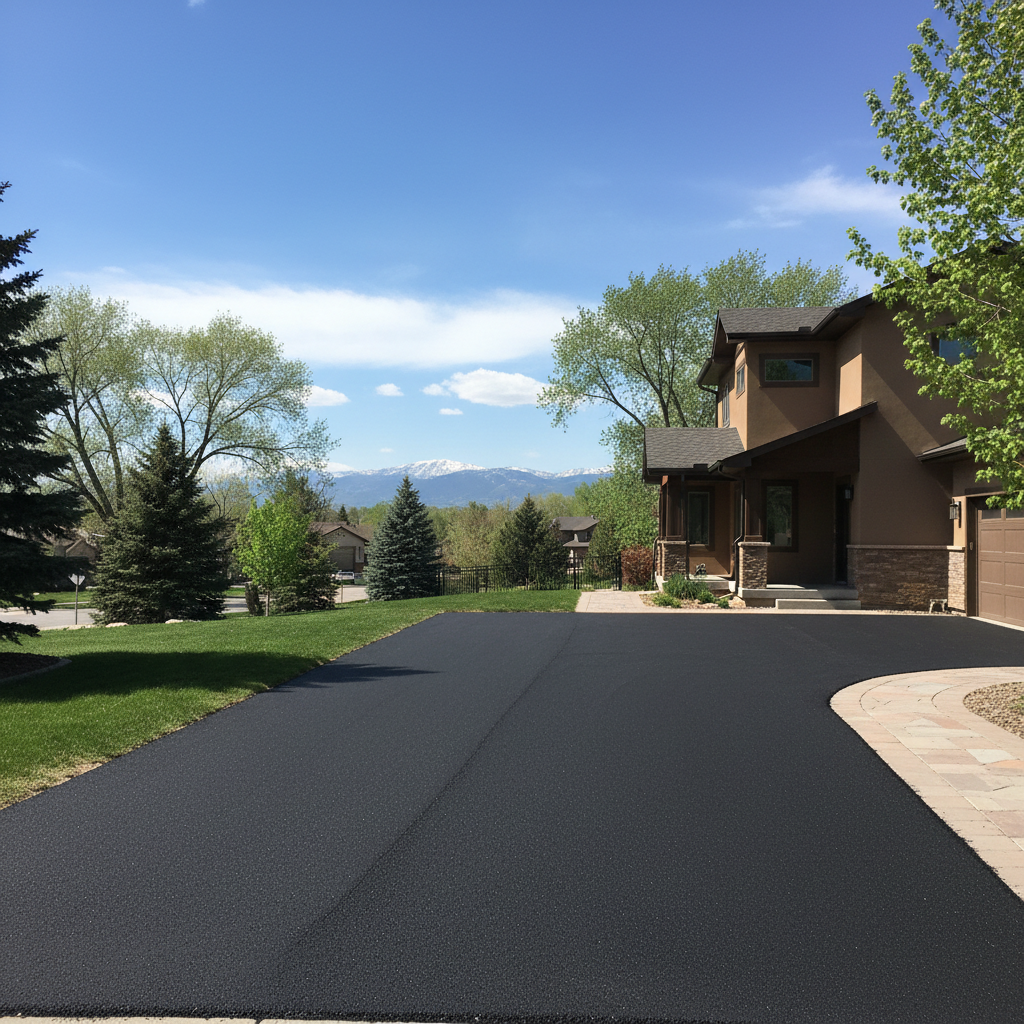
Your asphalt driveway is more than just a surface. It is an investment for your property. Here in Denver, that investment faces some tough conditions. We have intense UV radiation from our high altitude as well as massive temperature swings. In addition, we have brutal freeze-thaw cycles that can turn a small crack into a pothole overnight. You cannot just pave it and forget it. This is true if you want it to last. Advanced Asphalt Co has seen many people neglect their driveways. This leads to expensive full replacements later on. We will talk about how to keep your Residential Asphalt strong and looking good for many years in Denver.
Extend Your Asphalt's Life: Proactive Steps
The biggest secret to a long-lasting driveway is proactive care. It is like taking care of your teeth. A little bit of prevention goes a long way. Here is what Advanced Asphalt Co tells our customers:
- Sealcoating is Your Best Friend: This is not just about making your driveway look good and black again. Sealcoating protects your Residential Asphalt from the sun's harsh UV rays. These rays dry out the binder and make it brittle. It also seals the surface against water as well as chemicals. In Denver, we have over 300 days of sunshine as well as a high UV index. You should think about sealcoating every 1-2 years for your Residential Asphalt driveway. If you are in a high-traffic area like near Sloan's Lake, you might even consider it every year. You need sustained temperatures above 50 degrees for proper application. This means summer is usually the best time for Sealcoating in Denver.
- Address Cracks Immediately: Small cracks are normal. This is especially true with our soil shifting as well as temperature changes in Denver. Do not ignore them. Water is asphalt's worst enemy. When water gets into those cracks and freezes, it expands. This makes the crack bigger. This freeze-thaw cycle is a major cause of potholes here in Denver. You should get those cracks filled and sealed. This is especially important before winter sets in. Advanced Asphalt Co recommends addressing any crack wider than a quarter-inch.
- Keep it Clean and Clear: Debris like leaves, dirt, as well as standing water can trap moisture against your Residential Asphalt. This speeds up deterioration. This is especially true in winter. You need to make sure your drainage is good. Water should run away from your driveway. It should not pool on it. Clean out those gutters as well as check catch basins.
- Watch the Weight: Heavy vehicles can stress your Residential Asphalt. This is especially true if they are parked in the same spot for long periods. It is also true in colder weather when the asphalt is more brittle. If you have an RV or a work truck, try to rotate where you park it. You can also consider a reinforced section if it is a constant issue for your Residential Asphalt in Denver.
Regular Maintenance: What You Can Do
There are things you can do regularly to keep an eye on your driveway. This is beyond professional sealcoating as well as crack filling services from Advanced Asphalt Co.
- Seasonal Inspections: Walk your driveway every spring as well as every fall. Look for new cracks, faded spots, or areas where water might be pooling. After winter, you will want to check for any new damage. This includes damage from snow plows as well as de-icing agents.
- Prompt Spill Cleanup: Oil, gas, as well as other chemicals can break down the asphalt binder. Clean up spills as soon as they happen.
- Careful Snow Removal: Be mindful when you are shoveling or using a snowblower. Metal shovels and plow blades set too low can scrape and gouge the surface. This creates tiny fissures. Use plastic shovels or keep plow blades slightly raised to avoid damage to your Residential Asphalt.
- Mind Your De-icers: Some de-icing salts can be harsh on asphalt. Look for asphalt-safe options if you need to use them in Denver.
Warning Signs: When to Pay Closer Attention
Your driveway will show you when it is having problems. Do not ignore these red flags for your Residential Asphalt in Denver:
- Alligator Cracking: This looks like a series of interconnected cracks. It is much like an alligator's skin. It usually means there is a problem with the base layer underneath. This is a sign of structural failure.
- Potholes or Sunken Areas: These are beyond simple cracks. Potholes happen when the base material erodes. This is often due to water getting in and freezing. Sunken areas can show a weak subgrade or drainage issues.
- Fading or Graying: If your asphalt is losing its dark black color and turning gray, it is a sign of oxidation from UV exposure. This means the surface is drying out and becoming brittle. It makes it more likely to crack.
- Loose Gravel or Raveling: This is when the aggregate (small stones) starts to come loose from the asphalt binder. It means the binder is failing. This is often due to age or UV damage.
- Edges Breaking Apart: If the edges of your driveway are crumbling, it is usually a sign of a weak base. It can also be a sign of poor drainage along the sides.
When to Call a Professional
You can handle some things yourself. However, for other issues, you really need a professional. Here is when to pick up the phone and call Advanced Asphalt Co in Denver:
- Widespread Alligator Cracking: As Advanced Asphalt Co said, this shows a deeper structural problem. A simple patch will not fix it for the long term. You might need an overlay. You might even need a partial replacement of the base.
- Large Potholes or Significant Depressions: If you have potholes that are deep or wide, it is time for professional repair. This is also true for large areas where the asphalt has sunk. These often need specialized equipment as well as materials to make sure the fix lasts.
- Drainage Issues: If you consistently have standing water on your driveway, a professional can help. This is also true if water is eroding the edges. Advanced Asphalt Co can assess the grading as well as recommend solutions to prevent more damage. Poor drainage is a silent killer of asphalt.
- Before Winter if You Have Untreated Cracks: Call someone like Advanced Asphalt Co if you have not sealed cracks before the cold weather hits. We can often get those sealed up quickly. This helps to prevent major freeze-thaw damage to your Residential Asphalt in Denver.
- If Your Driveway is Just Old: Residential Asphalt driveways typically last 20-30 years. However, in Denver's climate, that can be closer to 15-25 years with less diligent maintenance. If your driveway is getting old and showing multiple signs of distress, it is worth getting an assessment. This helps to see if resurfacing or replacement is a more cost-effective long-term solution than endless patching.
Taking care of your Residential Asphalt driveway in Denver is not a one-time thing. It is an ongoing process. However, it will save you a lot of headaches as well as money in the long run. Keep an eye on it. Do the little things. Do not hesitate to call Advanced Asphalt Co when you see something that is beyond your comfort zone for DIY repairs.