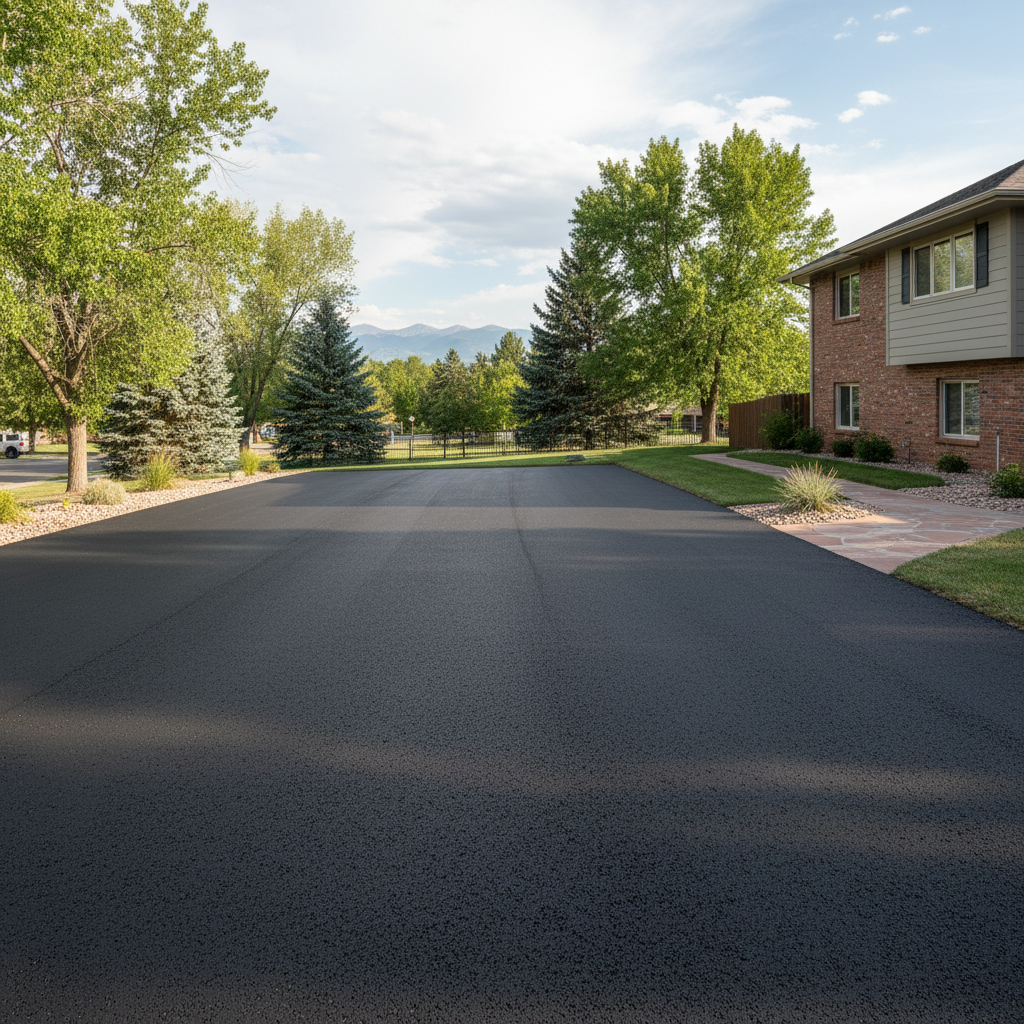
So, you need a new parking lot, or maybe your old one's looking like a patchwork quilt after a few too many Denver winters. You're probably wondering, what's this actually going to cost me? It's not as simple as a flat rate per square foot, and anyone who tells you it is probably isn't giving you the full picture. Let's talk real numbers and what goes into them.
What Drives the Price Tag?
A bunch of factors play into the final cost of paving a parking lot. It's like building a house; you don't just pay for the lumber. Here's what I look at when I'm putting together a quote:
- Size and Scope: This is obvious, right? A small business lot for ten cars is way different than a huge retail center that needs hundreds of spots. The bigger the area, the more material and labor, but sometimes larger jobs can get a slightly better per-square-foot rate due to economies of scale.
- Existing Conditions: Is it a brand-new lot on virgin ground, or are we tearing out an old, crumbling asphalt lot? Full excavation and removal of old material adds a significant chunk to the cost. If the sub-base is shot, that's another layer of work. Sometimes, if the existing asphalt is stable enough, we can do an overlay, which is much cheaper.
- Material Thickness: How thick does the asphalt need to be? A lot for light-duty traffic, like a small office building, might get by with 2-3 inches of asphalt on a good base. A heavy-duty lot for trucks or frequent large vehicle traffic will need 4-6 inches or more, plus a robust aggregate base. More material equals more cost.
- Drainage Requirements: Water is asphalt's worst enemy. Proper drainage is critical. This might involve grading the lot, installing catch basins, or even putting in underground storm drains. If your lot is prone to standing water, fixing that will be part of the job and part of the cost.
- Site Accessibility: Can our trucks and equipment easily get in and out? Tight spaces, busy roads, or lots with overhead power lines can make the job more complicated and take longer, which means more labor hours.
- Striping and Markings: Once the asphalt is down, you need lines, arrows, handicap symbols, and fire lanes. This is usually a separate line item, but it's essential for functionality and compliance.
- Permits and Regulations: Denver has its own set of rules. Depending on the size and type of project, you might need permits, and those come with fees and can sometimes require specific engineering plans.
Typical Cost Ranges in Denver
Okay, let's get to some numbers. Again, these are ranges, but they're based on what I've seen doing this work for years with Advanced Asphalt Co. in the Denver metro area.
- New Construction (Full Depth Paving): This means starting from scratch, preparing the subgrade, laying down a compacted aggregate base, and then applying multiple layers of asphalt. You're generally looking at anywhere from $4.00 to $8.00 per square foot. For a 10,000 sq ft lot, that's $40,000 to $80,000.
- Asphalt Overlay: If your existing asphalt is in decent shape but has some surface cracks and wear, an overlay can be a cost-effective solution. We'll clean, patch, and then lay 1.5 to 2 inches of new asphalt over the top. This usually runs from $2.00 to $4.00 per square foot. Same 10,000 sq ft lot? $20,000 to $40,000.
- Remove and Replace: This is for lots that are totally shot. We're talking widespread cracking, potholes, and a failed base. We'll tear out all the old asphalt and base, prepare the subgrade, and then rebuild. This is the most expensive option, typically $6.00 to $12.00+ per square foot. For that 10,000 sq ft lot, you could be looking at $60,000 to $120,000 or more.
- Patching and Repair: For smaller jobs, like fixing a few potholes or a section of alligator cracking, we usually quote by the job or by the ton of asphalt used. Small repairs might be a few hundred dollars, while larger sections could be several thousand.
- Striping: This is usually quoted separately, often by the linear foot for lines or per symbol. Expect to pay anywhere from $0.25 to $0.75 per linear foot for standard lines, and more for custom stencils or complex layouts.
Remember, these are just averages. A lot in, say, Cherry Creek with tight access and high traffic might be on the higher end of these ranges compared to a simpler job out in Commerce City.
What's Included in a Good Quote?
When you get a quote from a reputable contractor, it should be detailed. You want to see:
- Clear Scope of Work: Exactly what's being done. Is it an overlay? Full removal? How many inches of asphalt? How much base material?
- Materials Used: Specifics on the type and quantity of asphalt mix, aggregate base, etc.
- Site Preparation: Details on excavation, grading, and subgrade compaction.
- Drainage Solutions: Any work related to ensuring proper water runoff.
- Traffic Control: How they'll manage vehicles and pedestrians during the job.
- Cleanup: What they'll do to leave your site tidy.
- Warranty: A good contractor will stand behind their work.
- Permits: Who is responsible for pulling them.
How to Avoid Overpaying
Don't just go with the first quote you get. Get at least three detailed bids from different reputable contractors. Make sure they're quoting on the same scope of work so you can compare apples to apples. Ask for references and check them. Look at their past work. A cheap bid isn't always a good deal if the work is shoddy and fails in a couple of years, especially with our freeze-thaw cycles here in Denver. You want someone who knows the local conditions and uses quality materials that can stand up to them. And don't be afraid to ask questions. If something in the quote isn't clear, get clarification. It's your money, and you deserve to know exactly what you're paying for.