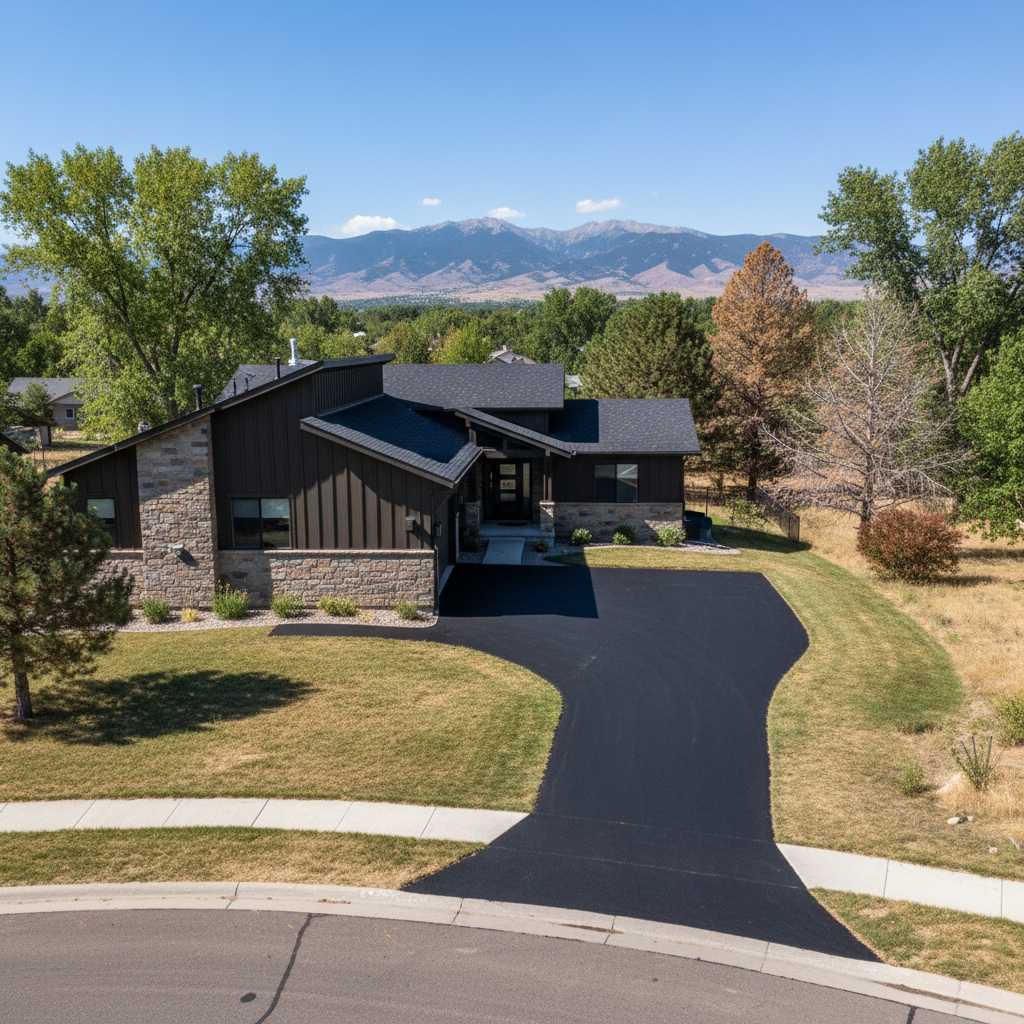
So, you're looking at your asphalt driveway, and it's starting to show its age. Maybe some fine cracks, a bit of fading, or just that general worn-out look. Slurry coating might be exactly what you need to bring it back to life and protect your investment. But what does that really mean for you, the homeowner, when it comes to planning and execution? Let's break it down.
Understanding the Slurry Coating Timeline
Planning is crucial, especially here in Denver with our wild weather swings. You can't just decide on a Tuesday and have it done by Wednesday. Slurry coating isn't a quick fix; it's a protective layer that needs specific conditions to cure properly.
- Initial Contact & Estimate (1-2 weeks): You'll call a few contractors, like us at Advanced Asphalt Co., to get estimates. We'll come out, assess your driveway's condition, measure it up, and give you a quote. This usually involves a site visit.
- Scheduling (2-4 weeks out): Once you pick a contractor, you'll get on their schedule. Good contractors are often booked a few weeks out, especially during peak season (late spring, summer, early fall). Don't rush this; you want quality work, not just the first available slot.
- Pre-work & Repairs (Day of or day before): Any significant cracks or potholes need to be addressed before the slurry goes down. This might happen the day before or the morning of the main application. It's essential for a long-lasting finish.
- Application Day (1-2 days): The actual slurry application is usually a one-day job for most residential driveways. Larger, more complex ones might take two. The crew will clean the surface thoroughly, apply the slurry, and then stripe if needed.
- Curing Time (24-72 hours): This is the most critical part for you. You absolutely cannot drive or park on the newly coated surface for at least 24 hours, and often 48-72 hours is recommended, especially if it's cooler or humid. We'll give you specific instructions based on the weather conditions. Trying to use it too soon will mess up the finish and reduce its lifespan.
What to Expect During the Process
When the crew shows up, you'll see a lot of activity. First, they'll clean your driveway thoroughly. This isn't just a quick sweep; it involves power blowing, sweeping, and sometimes even power washing to get rid of all the dirt, debris, and loose aggregate. Any oil spots will be treated and cleaned. If there are weeds growing in cracks, they'll be pulled or treated.
Next comes the crack filling and patching. Slurry coating isn't designed to fill large cracks or level out significant depressions. Those need to be fixed first. Think of slurry as a protective skin, not a structural repair. Once the surface is prepped, the slurry mixture is applied evenly across the entire asphalt surface. It's usually applied in one or two coats, depending on the product and condition of your driveway. It'll look wet and dark, and you'll notice a distinct, somewhat strong odor. Don't worry, that dissipates as it cures.
How to Prepare Your Property
Your prep work is pretty straightforward, but it's important. First, make sure your driveway is completely clear. That means moving cars, boats, trailers, basketball hoops, potted plants, and anything else you don't want coated. If you have any decorative items or landscaping right next to the driveway, you might want to cover them with plastic sheeting to protect them from overspray. Make sure sprinklers are turned off for at least 24 hours before and after the application. You don't want water interfering with the curing process.
Also, trim back any low-hanging branches or bushes that might interfere with the crew's work or the application equipment. And, of course, keep pets and kids away from the work area during application and especially during the curing period. That fresh slurry is sticky, and you don't want paw prints or footprints ruining the finish or tracking it into your house.
Key Questions to Ask Before Signing a Contract
Don't just go with the cheapest bid. Ask these questions to make sure you're getting a reputable contractor and a quality job:
- What specific type of slurry product do you use? There are different formulations. You want to know what's going on your driveway.
- How many coats will you apply? Generally, two thin coats are better than one thick one for durability and appearance.
- What's your process for crack repair and surface preparation? Make sure they're not just going to slap slurry over big cracks.
- What's the recommended curing time before I can drive on it? Get this in writing, and make sure you understand the implications of not following it.
- What's your warranty on the work? A good contractor will stand behind their work.
- Are you licensed and insured? This is non-negotiable. You don't want to be liable if something goes wrong.
- Can you provide references or show me examples of recent work? Seeing their work firsthand can tell you a lot.
- How do you handle overspray or accidental spills on landscaping or adjacent surfaces? You want to know they're careful and will take responsibility if an accident happens.
By asking these questions and doing your part to prepare, you'll ensure your slurry coating project goes smoothly and gives your Denver driveway the fresh, protected look it deserves. It's a great way to extend the life of your asphalt, especially with our intense Colorado sun and the freeze-thaw cycles we get in neighborhoods like Highlands Ranch or Stapleton.